Blue Economy: How Responsible Fishing Will Ensure The Future Of Cangrejo De Mar Ilustración Lindo Personaje
Faced with this panorama, caf has made a historic commitment Fao's work on the reduction of impacts of fishing operations facilitates improved sustainable fishing practices and reduced impacts of fishing operations on ecosystems within the context of the code of conduct for responsible fisheries. We will invest us$2.5 billion by 2030 to promote the blue economy, that is, to encourage responsible tourism, promote artisanal fishing, manage the region's coastlines, conserve and restore marine ecosystems, and develop clean technologies and renewable ocean energy.
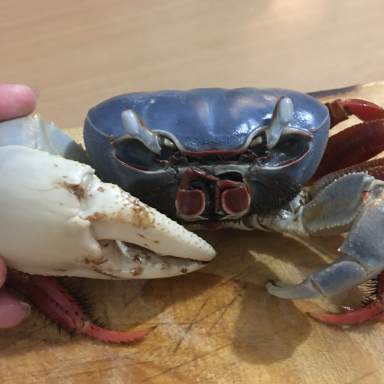
Ilustración de Lindo Cangrejo De Mar Personaje De Cangrejo De Mar
This approach promotes responsible environmental management and fosters inclusive economic growth Maintaining the breadth of aquaculture species and systems is key to strengthening the resilience and nutritional value of blue foods. The concept of be is originated from the united nations conference on sustainable development held in rio de janeiro in 2012 (unctad, 2014)
The term 'blue economy' has been used in different ways and similar terms such as ocean economy or marine economy are used without clear definitions.
The 'resilience of the blue economy' fisheries strategy recognises the importance and value of small scale fisheries and addresses the multiple challenges and opportunities present in the blue economy with an integrated development approach From improved livelihoods and increased incomes, food security, protection of biodiversity and. Abstract the blue economy is a transformative framework that seeks to harness ocean resources for sustainable economic growth, environmental stewardship, and social equity The blue economy refers to economic activities that are both based in, and are actively good for, the ocean
The blue economy continues adapt, but can be a basis for sustainable development. The blue economy represents a revolutionary approach to oceanic resource management, promising sustainable economic growth while safeguarding marine ecosystems As coastal regions worldwide face unprecedented environmental challenges, this innovative economic model has emerged as a cornerstone for the economic transformation of coastal communities By integrating sustainable fishing practices.

Investing in the blue economy is not just an environmental commitment
It is a strategic decision for mexico's future Executive summary this learning brief looks at the impact of the resilience of the blue economy programme on the food security risk of goal's target fishing communities in latin america and the caribbean region (lac) Blue economies hold potential for economic growth, employment, innovation, and promote economic growth and improvement of livelihoods. For example, buruquena is a river crab, and cocolia is the term for a swimming sea crab that is closely related to the blue crab in the east coast of the us
In summary, juey is a specific kind of cangrejo. We would like to show you a description here but the site won't allow us. By 2030, the global blue economy is expected to be worth over $3 trillion But despite this exponential growth, fishers, the oldest users of the ocean, are being left behind

Global warming, competition for marine space and depletion of many fish stocks are threatening the economic future of global fisheries
So how do we ensure that fishers are integrated further into the blue economy and.