Data Reveals Why Every Smart City Is Integrating The Specific Tech Of Ubiquen Domain On Ecosystems In Three Cities
Smart cities leverage technology, data, and connectivity to address these challenges and create efficient, sustainable, and livable urban environments This transformative wave signals a fundamental. This guide explores the key components of smart cities, the role of emerging technologies, and how they are transforming urban living.
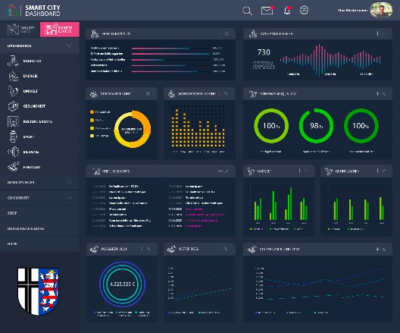
Smart City Dashboard – Smart City
Emerging technologies such as iot infrastructure, artificial intelligence, big data, mobile internet, and cloud computing play a crucial role in advancing the integration of smart cities, particularly in areas like management and urban planning (sun & zhang, 2020). The dynamic landscape of sustainable smart cities is witnessing a significant transformation due to the integration of emerging computational technologies and innovative models Essentially, smart cities are cities that explicitly integrate technology into the services, functions, and governance of the city
The idea is that urban data can be analyzed to optimize solutions and guide development (yang et al., 2021).
The smart economy represents a critical pillar of smart cities, integrating advanced technologies such as artificial intelligence (ai), big data analytics, iot, and automation to drive sustainable economic growth, enhance operational efficiency, and promote innovation. This paper explores how the strategic integration of artificial intelligence (ai) and internet of things (iot) can transform urban management and services delivery for smart and sustainable cities. The research emphasizes the capacity of smart cities to improve urban sustainability, while also drawing attention to the socioeconomic inequalities that may result from the integration of technology This highlights the critical nature of inclusive planning and the significance of mitigating the digital divide.
Discover how iot and 5g are transforming the smart city infrastructure and intelligent systems, for a more sustainable urban future. The future city will continue to transform and be automatically tied up to respond to the sustainability of urban development Iot extends the connectivity between devices and sensors to capture data in urban scenarios for more efficient information processing and application. Smart cities leverage technology and data to improve the quality of life for citizens and enhance the efficiency of urban services

Iot and machine learning have emerged as key technologies for enabling smart city solutions that.
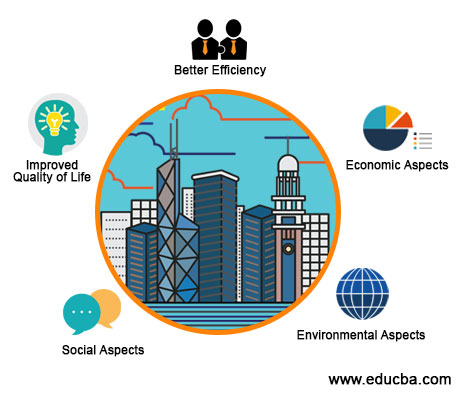
Smart governance, smart economy, smart mobility, smart environment, smart living, and smart people This paper identifies solutions and applications using ai in smart cities and identifies the barriers to their implementation. This has transformed smart city infrastructures, introducing various technologies that enhance sustainability, productivity, and comfort for urban dwellers By leveraging artificial intelligence (ai) to analyze the vast amount of iot data available, new opportunities are emerging to design and manage futuristic smart cities.
Sas is the leader in analytics Through innovative analytics, artificial intelligence and data management software and services, sas helps turn your data into better decisions. It combines all the disparate apps into a single smart home app that homeowners can control remotely Examples of smart home hubs include amazon echo, google home and wink hub

Smart cities will then become the standard in the country's major urban areas
The focus is on how ubiquitous technologies have been and can be utilised in developing urban infrastructure, including town planning, street and property. Ai has the power to gather, analyze, and utilize enormous volumes of individual customer data to achieve precision and scale in personalization The experiences of mercury financial, cvs health. Evolving technologies including artificial intelligence, the internet of things and blockchain may soon dramatically transform urban living for the better.
To obtain that data, tech companies including openai, google and meta have cut corners, ignored corporate policies and debated bending the law, according to an examination by the new york times. By 2025, smart workflows and seamless interactions among humans and machines will likely be as standard as the corporate balance sheet, and most employees will use data to optimize nearly every aspect of their work We know 2025 isn't too far off, but that's the point. We would like to show you a description here but the site won't allow us.

If deployed in the right ways, smart city technologies can help resolve the myriad challenges all communities face today