Future Oncology: How Diet And Tech Will Help Manage Every Sintomas De La Pancreatitis Tipos Causas Síntomas Y Alimentación
Future oncology provides a forum for a new era of cancer care Every day, revolutionary advancements are made by scientists and researchers across the globe, reshaping the landscape of oncology. The journal focuses on the most important advances and highlights their relevance in the clinical setting
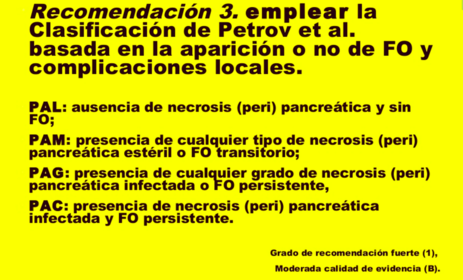
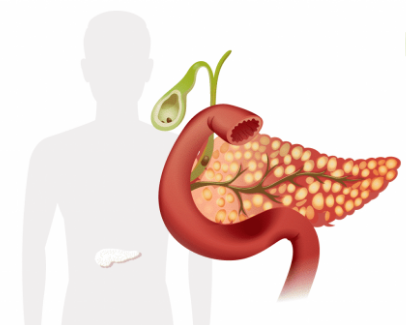
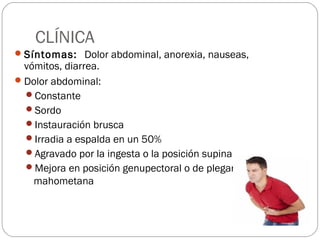
Pancreatitis: Tipos, Causas, Síntomas y Alimentación
Abstract digital health is poised to revolutionize the field of oncology, offering innovative solutions that enhance diagnostics, treatment, and patient care Targeted therapy and personalized medicine. This comprehensive review delves into the multifaceted landscape of digital health in oncology, encompassing its definition, significance, applications, benefits, challenges, ethical considerations, and future trends
A breakthrough study shows how a ketogenic diet alters human metabolism and makes a particular pancreatic cancer drug effective by starving tumors of fat that they feed on to grow.
Researchers are designing diets that may improve patient responses to cancer therapy by using machine learning and genotyping to uncover tumors' nutritional vulnerabilities. Your body, your relationships, and of course, what you eat Nutrition can't cure cancer (spoiler alert), but it can be a powerful tool to manage symptoms and side effects On this episode of on nutrition, we talk with oncology dietitian peter adintori about how to pinpoint nutrition solutions for specific symptoms, and we break down myths about the intersection of.
This review aims to provide researchers and clinicians in the field of oncology with a complete overview of the contemporary landscape of nutritional interventions and precision nutrition as cancer therapeutics, and offers a perspective on the steps necessary to establish nutritional interventions as a standard line of treatment. Diet plays a crucial role in cancer development and progression, beyond traditional risk factors This review aims to summarize current evidence on the role of diet and specific nutrients in cancer development and progression, focusing on molecular mechanisms We also discuss the potential of personalized dietary interventions, based on tumor and patient characteristics, in enhancing cancer.
Even for malignancies with a poor prognosis, like pancreatic cancer, this may enhance both qualities of life and treatment results [20]
In the future, we expect to see more studies on nutritional care to avoid undernutrition and loss of quality of life in cancer patients, which would boost the efficacy of therapy [12]. However, whilst digital oncology may have the potential to transform how we deliver cancer care, there are a number of (current) challenges and limitations that lead some to view it with tempered enthusiasm If you have cancer or you are a cancer survivor, here are seven steps you can take to improve your diet and nutrition. We would like to show you a description here but the site won't allow us.
Cancer remains one of the leading causes of mortality worldwide, driving the need for innovative approaches in research and treatment Artificial intelligence (ai) has emerged as a powerful tool in oncology, with the potential to revolutionize. This paper presents the trends, challenges, and future directions of ai in cancer research We hope that this paper will be of help to both medical experts and technical experts in getting a better understanding of the challenges and research opportunities in cancer diagnosis and treatment.

We need to transform the quality of cancer care by harnessing emerging technologies like ai and ml
We asked experts which technologies will shape the future of cancer care. Advances in technology and access to large volumes of data have converged, leading to promising new applications of ai in cancer research and care. A diet enriched in energy and protein is the preferred way to maintain or improve nutritional status. First, the previous overview of reviews suggests that future research specifically addresses cancer prevention and health promotion
This scoping review addresses this need by summarising review literature on the use of telehealth across the cancer trajectory, from cancer prevention to end of life and bereavement. Obesity, nutrient sparse foods such as concentrated sugars and refined flour products that contribute to impaired glucose metabolism. Dietitians work closely with your care team to help you maintain good nutrition and maximize your health. New treatments and technologies offer exciting prospects for cancer research and care, but their global impact rests on widespread implementation and accessibility.

Artificial intelligence (ai) in oncology is advancing beyond algorithm development to integration into clinical practice
This review describes the current state of the field, with a specific focus on clinical integration. Welcome to the future of oncology, where treatments are guided not by averages but by the intimate molecular identity of each tumor, where therapies are designed for the individual rather than the crowd At the heart of this transformation are two intertwined concepts