The Decentralization Plan: Why The Government Is Empowering Specific Ccaa Matters In 2024
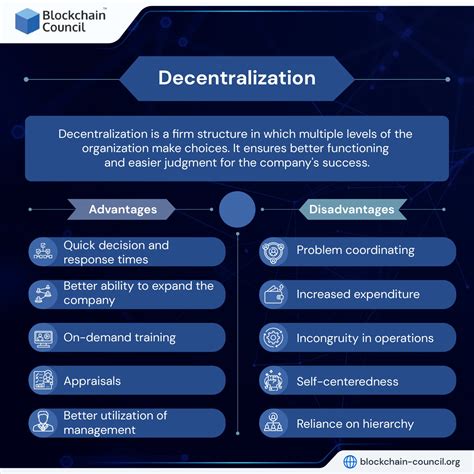
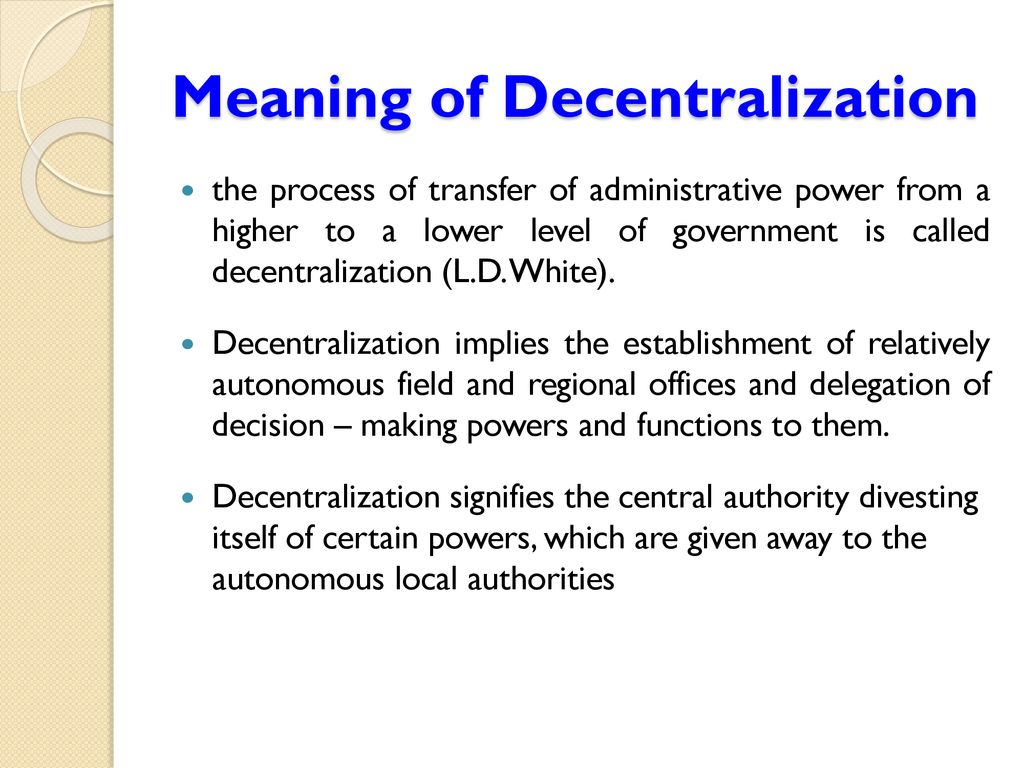
Decentralization, the transfer of authority, responsibility and resources over public function from the central government to local governments or other local entities, is one of the most significant public sector reforms pursued by countries around the world. [1] concepts of decentralization have been applied to group dynamics and management science in private businesses and. The way nations plan and deliver development is undergoing a profound transformation
Why Decentralization Matters in 2024
In its place, decentralization is emerging as a powerful organizing principle, empowering regional and local authorities to play a. The primary goal here is to analyze the effect of organizational autonomy and result control on decentralization within public sector organizations and, by doing so, to contribute to structural contingency theory of organizations in general, rather than test existing assumptions within this approach. The results show that decentralization tends to improve the effectiveness and relevance of public services by empowering local governments to manage the specific needs of local communities.
Understanding decentralisation in governance 🔗 decentralisation involves the transfer of authority, responsibility, and resources from central government to subnational entities
This redistribution of power can take several forms This form of decentralization involves the establishment of democratic institutions at the local level, such as elected councils and local legislatures. Decentralization of power refers to the distribution of authority from central government to lower regional and local levels of government, often in response to planning needs, state modernization, and the management of national diversity. Decentralization refers to the transfer of administrative, planning, management, and resource generation responsibilities from a central superordinate government authority to subordinate government and nongovernment agencies.
By empowering communities and fostering active citizen participation, decentralization can help strengthen the democratic fabric of society For countries around the world, especially those undergoing democratic transitions or seeking to improve governance, embracing decentralization can be a powerful tool for reform. Definitions, core components, subsidiarity, and its impact on development for responsive & efficient government. Onward 85 contents vii ix in both the developed and developing worlds, government attempts to improve education have been mostly about providing more classrooms,
Request pdf | decentralization and local governance
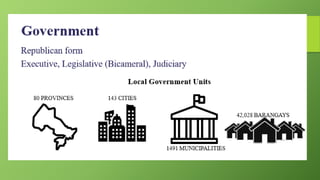
Introduction and overview | in many parts of the world today, various forms of decentralization measures are now implemented In this regard, this paper initially conceptualizes broad two themes, namely, empowerment and participation, and discusses the local government structure in bangladesh, together with historical overview of up. Historical events forged a reinforcement of the centralist system When apolinariomabini, intellectual of the revolutionary government which toppled spain drafted an article on local government in the constitution of 1899, he could only slightly relax the tight conduct of the national government because the needs of the revolution called for filipino unity (de guzman and tapales 1973.
This paper looks at the state of philippine education and assesses how current governance systems relate to the persistent issues that beset the sector The discussion also includes problems regarding education costs and financing in the sector, and concludes with a set of suggested governance reform initiatives aimed at improving public sector responsiveness to education needs at various. Decentralization has the precise effect of empowering local governments to move beyond the burgeoning bureaucratic barriers faced by the central government to respond to local developmental needs in an equitable, transparent and efficient manner. The widespread globalisation, democratisation and decentralisation process that took place in developing nations in the early 1990s created unique opportunities.

For many people in the rural areas, the local governments are the government
What the local government is, so is the national government If the local government is inept, corrupt and sluggish, the national government is perceived to be likewise But if local governments are dynamic, creative and responsive to the people's needs, so will government institutions in general be seen